
CBD oil has become a popular wellness product around the world, praised for its potential to support relaxation, ease anxiety, reduce pain, and promote better sleep. As more people discover the benefits of cannabidiol (CBD), many beginners are curious about how to start using it safely and effectively. But with so many products, dosages, and methods of use available, it’s natural to feel overwhelmed at first.
If you’re new to CBD oil, this guide will help you understand how it works, how to use it safely, what to expect, and what to avoid. Whether you’re interested in trying CBD for stress relief, pain management, or general wellness, learning the basics is the first step toward a positive experience.
What Is CBD Oil?
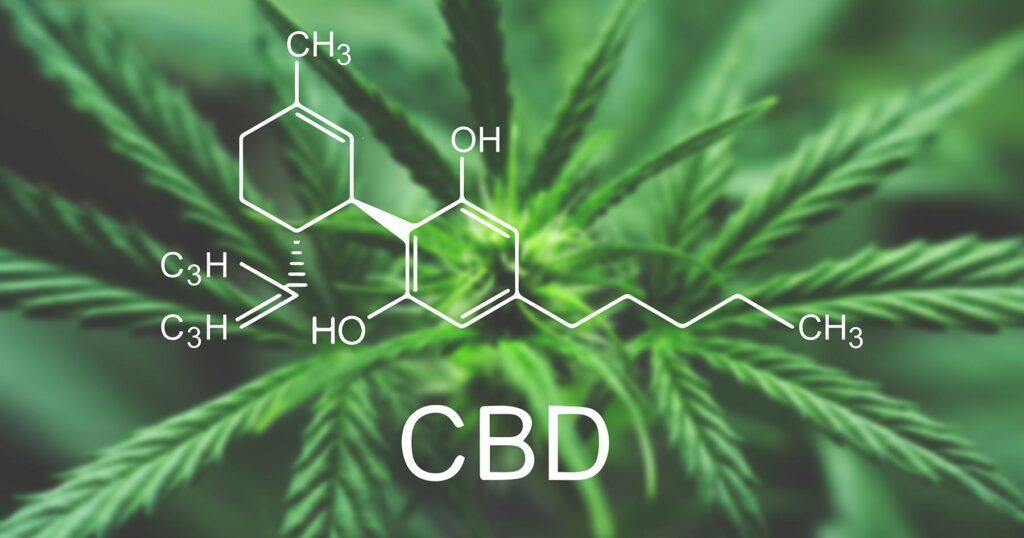
CBD, short for cannabidiol, is a natural compound found in the hemp plant, a cousin of marijuana. Unlike THC (tetrahydrocannabinol), CBD does not cause a “high.” Instead, it interacts with the body’s endocannabinoid system—a network of receptors that helps regulate functions like sleep, pain, mood, and immune response.
CBD oil is made by extracting CBD from the hemp plant and mixing it with a carrier oil like MCT, hemp seed, or olive oil. It’s commonly taken sublingually (under the tongue), but it can also be added to food, applied topically, or consumed in capsule or gummy form.
Is CBD Oil Safe?
Research suggests that CBD is generally well-tolerated and safe for most people when used correctly. The World Health Organization (WHO) has stated that CBD poses no risk of abuse or dependence. However, like any supplement or medication, it may cause side effects or interact with other drugs, especially in high doses or when used improperly.
For beginners, safety depends on three major factors:
- Product quality
- Correct dosage
- Proper method of use
Understanding each of these will help you get started safely and confidently.
Step 1: Choose a High-Quality CBD Oil
Your experience with CBD begins with choosing the right product. The CBD market is still loosely regulated in many countries, so it’s important to buy from reputable brands that offer transparency and third-party testing.
Here’s what to look for:
- Third-party lab reports: These confirm the potency and purity of the oil and check for contaminants like pesticides, heavy metals, and solvents.
- Full-spectrum, broad-spectrum, or isolate:
- Full-spectrum CBD oil contains other cannabinoids and a small amount of THC (within legal limits, usually 0.3% or less).
- Broad-spectrum CBD has additional cannabinoids but no THC.
- CBD isolate contains only pure CBD with no other plant compounds.
- Organic and non-GMO ingredients: The hemp plant absorbs whatever is in the soil, so organically grown hemp reduces the risk of toxins.
- Clear labeling: Look for information on CBD concentration (e.g., 500mg, 1000mg), ingredients, usage instructions, and expiration date.
Avoid products that make unrealistic health claims or lack transparency.
Step 2: Start with a Low Dose
One of the biggest mistakes beginners make is starting with too much CBD too soon. Your body needs time to adjust to CBD, and everyone’s optimal dose is different, depending on factors like weight, metabolism, and the condition being treated.
Start low and go slow is the golden rule.
- A common beginner dose is 5–10 mg of CBD per day.
- Use this low dose consistently for 3–5 days, then gradually increase if needed.
- Monitor how your body feels—look for changes in mood, sleep, anxiety, or pain levels.
CBD builds up in your system over time, so results may not be immediate. Patience and consistency are key.
Step 3: Know the Right Method of Use
CBD oil can be used in several different ways, each with its own onset time and duration of effects:
1. Sublingual (under the tongue)
This is one of the most effective and fast-acting methods. Place a few drops of CBD oil under your tongue and hold it for 30–60 seconds before swallowing. This allows CBD to enter the bloodstream directly through the mucous membranes.
- Onset: 15–30 minutes
- Duration: 4–6 hours
2. Oral (capsules, edibles, or adding to food)
CBD taken orally must pass through the digestive system, which slows absorption. Effects take longer to appear but last longer.
- Onset: 1–2 hours
- Duration: 6–8 hours
3. Topical (creams, balms)
CBD applied to the skin can target localized pain or inflammation. It doesn’t enter the bloodstream but interacts with local receptors.
- Onset: Varies (15 minutes to 1 hour)
- Duration: Up to 6 hours
As a beginner, sublingual tinctures are often the best starting point because you can control the dose drop by drop and feel the effects relatively quickly.
Step 4: Monitor for Side Effects
While CBD is generally safe, some people may experience mild side effects, especially when starting out or using higher doses. These can include:
- Dry mouth
- Drowsiness
- Lightheadedness
- Diarrhea
- Changes in appetite
If side effects occur, consider lowering your dose or switching the timing of your use (e.g., taking it at night instead of in the morning). Always drink water and give your body time to adjust.
If you’re on medications—especially blood thinners, antidepressants, or anti-epileptic drugs—speak with your doctor before using CBD, as interactions are possible.
Step 5: Set Clear Wellness Goals
CBD isn’t a magic cure, and its effects can vary depending on the user. Before starting, take time to define what you’re hoping to achieve. Are you using CBD to help with:
- Daily stress and anxiety?
- Better sleep?
- Pain or inflammation?
- General wellness?
Tracking your progress in a journal or notes app can help you assess whether the CBD is working for you over time. Look for gradual changes in how you feel physically and emotionally, rather than expecting instant results.
Tips for a Positive CBD Experience
Here are a few extra tips to help you stay safe and make the most of your CBD oil experience:
- Use at the same time every day to keep a consistent level in your system.
- Store CBD oil properly—keep it in a cool, dark place away from sunlight and heat.
- Stay informed by reading up on the latest research and product reviews.
- Be cautious with driving or operating machinery until you know how CBD affects you.
- Avoid mixing with alcohol or sedatives, especially as a beginner.
When to See a Doctor
If you’re dealing with a chronic health condition or taking prescription medications, always consult with your healthcare provider before starting CBD oil. While CBD has therapeutic potential, it’s not a substitute for medical advice or treatment.
Seek medical help if you experience unusual side effects, allergic reactions, or worsening symptoms after using CBD.
Also Read: CBD Oil: What It Is, How It Works, and Why It’s Gaining Popularity
Final Thoughts
CBD oil can be a powerful wellness tool when used correctly—but as with any supplement, education and caution are essential, especially for beginners. By starting with a high-quality product, using the right dose, and choosing the best method of consumption for your needs, you can explore CBD’s benefits safely and confidently.
As your understanding grows, you may adjust your routine based on how your body responds. Remember, CBD is about supporting balance in your system—not overwhelming it. Take it slow, be consistent, and listen to your body. The right approach can help you discover how CBD fits into your long-term health and wellness routine.