
Introduction
In recent years, CBD oil has emerged as a wellness essential for those seeking relief from anxiety, pain, insomnia, and more—without the intoxicating effects of marijuana. But what exactly is CBD oil? How does it work in the body, and why has it become such a hot topic in health and wellness communities?
Whether you’re completely new to CBD or looking to better understand its benefits and uses, this guide will walk you through everything you need to know about CBD oil—from its origins and potential health benefits to usage tips and safety considerations.
What Is CBD Oil?

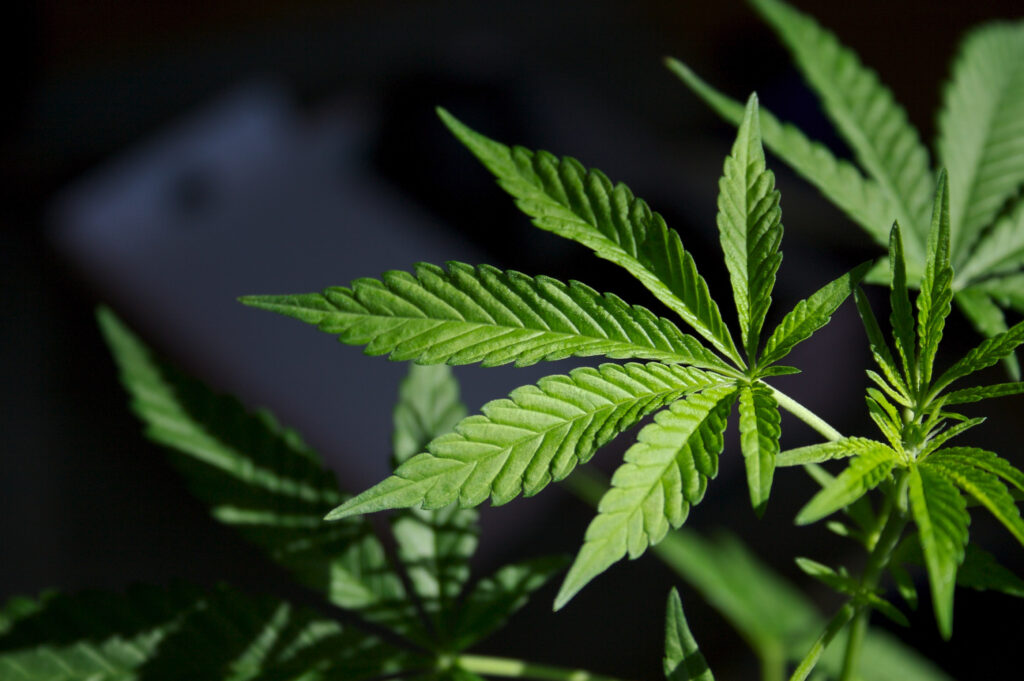
CBD, or cannabidiol, is one of over 100 naturally occurring compounds found in the Cannabis sativa plant. Unlike its more famous cousin THC (tetrahydrocannabinol), CBD is non-psychoactive, meaning it won’t make you feel “high.” CBD oil is made by extracting CBD from hemp (a cannabis variety low in THC) and diluting it with a carrier oil such as coconut, hemp seed, or MCT oil.
The result is a versatile, plant-based supplement that people use in a variety of ways—taken under the tongue, added to food or beverages, applied to the skin, or even infused into pet products.
How CBD Oil Works
CBD interacts with a powerful biological network in your body called the endocannabinoid system (ECS). The ECS is responsible for regulating vital functions like mood, sleep, pain, immune response, and inflammation. It does this through cannabinoid receptors found throughout the brain and body.
While THC binds directly to the ECS’s CB1 receptors to produce a “high,” CBD works differently. It indirectly influences cannabinoid activity, helps maintain balance in the body, and also interacts with other receptors—such as serotonin and vanilloid receptors—linked to mood and pain regulation.
This subtle, widespread action is why CBD oil can provide relief for a variety of conditions without affecting mental clarity.
Benefits of CBD Oil: What the Research Says
A growing body of scientific studies and anecdotal reports supports the therapeutic potential of CBD oil. Here are some of the most common reasons people use it:
1. Stress and Anxiety Relief
One of CBD’s most well-researched benefits is its ability to reduce anxiety. It’s believed to work by activating serotonin receptors, helping users feel calmer without the sedative effects of pharmaceuticals. Many people use it to manage social anxiety, performance stress, or general nervousness.
2. Chronic Pain and Inflammation
CBD’s anti-inflammatory properties make it a popular alternative for managing pain. It may help with conditions like arthritis, back pain, migraines, and even neuropathic discomfort. Athletes often use CBD oil to speed up recovery and soothe muscle soreness.
3. Improved Sleep
If you struggle with falling asleep or staying asleep, CBD oil may offer a natural solution. By calming the nervous system and reducing anxiety, CBD helps the body unwind—potentially leading to longer and more restful sleep.
4. Skin Conditions
When applied topically, CBD oil can help soothe skin conditions like acne, eczema, and psoriasis. It works by regulating oil production and reducing inflammation, making it a popular ingredient in natural skincare products.
5. Neuroprotective Properties
CBD has shown promise in protecting brain health and supporting neurological function. The FDA-approved drug Epidiolex, which treats rare forms of epilepsy, is a notable example of CBD’s effectiveness in neurological disorders.
Types of CBD Oil
CBD oil comes in several different forms, each with its own benefits:
- Full-Spectrum CBD contains all cannabinoids, including trace amounts of THC (less than 0.3%), along with terpenes and flavonoids. This combination may enhance effects through the entourage effect.
- Broad-Spectrum CBD includes multiple cannabinoids and terpenes but no THC. It’s a good option for those who want the benefits of full-spectrum CBD without the risk of THC.
- CBD Isolate is pure CBD, with all other cannabinoids and compounds removed. It’s ideal for those who want to avoid all THC or other cannabis compounds.
How to Use CBD Oil
CBD oil can be used in a variety of ways, depending on your needs and preferences:
- Sublingual (under the tongue): This is one of the most effective ways to take CBD oil. Simply place a few drops under your tongue and hold for 30–60 seconds before swallowing. Effects typically begin in 15–45 minutes.
- Ingestion (capsules, edibles, drinks): CBD can also be consumed in food or pill form, though it takes longer to take effect—usually 30 to 90 minutes—but the effects last longer.
- Topical application: For localized pain or skin concerns, apply CBD oil directly to the skin. This method targets inflammation or discomfort at the source.
- Inhalation (vaping): Inhaling CBD provides rapid effects but may not be suitable for everyone due to potential respiratory concerns.
Finding the Right Dose
CBD affects everyone differently, so finding the right dose may take some experimentation. A common rule is to start low and go slow. Begin with a small dose (5–10 mg) and observe how your body responds. Gradually increase the amount until you find the optimal dose that offers the desired benefits without unwanted side effects.
Factors that influence your ideal dose include:
- Body weight
- Metabolism
- Severity of symptoms
- Product type and concentration
Is CBD Oil Safe?
CBD is generally considered safe and well-tolerated. Most people experience no adverse effects, though mild side effects can occur, including:
- Dry mouth
- Drowsiness
- Diarrhea
- Changes in appetite
However, CBD can interact with certain medications, especially blood thinners and drugs metabolized by the liver enzyme CYP3A4. Always consult a healthcare provider before starting CBD, particularly if you’re on prescription medication.
What to Look for in a Quality CBD Oil
Not all CBD oils are created equal. To ensure you’re getting a safe and effective product, keep the following in mind:
- Third-Party Lab Testing
Reputable brands provide Certificates of Analysis (COAs) that confirm the product’s cannabinoid content and check for contaminants like pesticides, heavy metals, and molds. - Organic and U.S.-Grown Hemp
Look for products sourced from organically grown hemp to avoid exposure to harmful chemicals. - Transparent Labeling
Quality CBD oils should clearly state the amount of CBD per serving, type of extract (full-spectrum, broad-spectrum, or isolate), and carrier oil used. - Reputable Brand Reputation
Read reviews, check for customer service availability, and research how long the company has been in business.
Also Read: How to Spot High-Quality CBD Oil: A Buyer’s Guide
Conclusion
CBD oil has quickly gained a loyal following for its ability to promote balance and wellness without the side effects of pharmaceuticals or the high of THC. Whether you’re looking to manage stress, support sleep, relieve pain, or simply improve your overall wellbeing, CBD offers a natural solution backed by growing scientific interest.
While it’s not a miracle cure, consistent use of a high-quality CBD oil—combined with a healthy lifestyle—may provide real, tangible benefits for many individuals.