
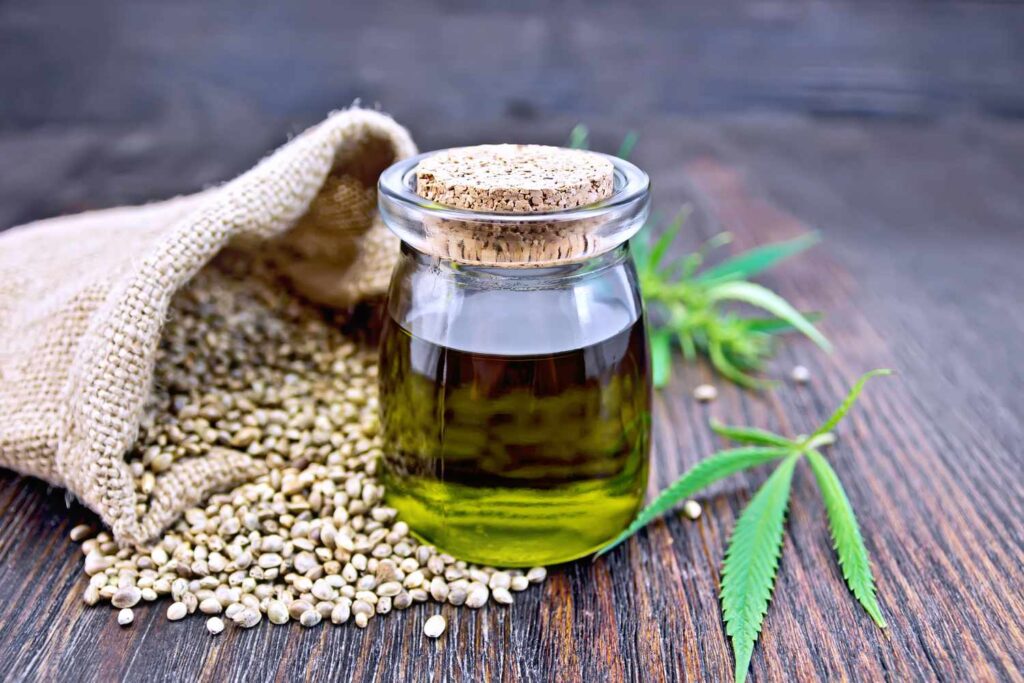
CBD oil has taken the wellness industry by storm, with millions of people using it for stress relief, sleep support, pain management, and overall well-being. Yet, despite its popularity, one challenge remains—how efficiently the body absorbs CBD. This is where nanotechnology enters the picture. By improving bioavailability and effectiveness, nanotechnology is revolutionizing how CBD oil is made, consumed, and experienced.
Understanding the Basics of Nanotechnology
Nanotechnology involves manipulating substances at the molecular or nanoscale level, typically under 100 nanometers. To put that into perspective, a nanometer is about 100,000 times smaller than the width of a human hair. When applied to CBD oil, nanotechnology works by breaking CBD molecules into much smaller particles, making them easier for the body to absorb.
This advancement is especially important because traditional CBD oil is not fully absorbed. Much of it is lost through digestion, meaning users often need higher doses to achieve the desired effects. Nanotechnology changes this by allowing CBD to bypass some of the body’s natural barriers.
Why Bioavailability Matters in CBD Oil
Bioavailability refers to the percentage of a substance that actually enters the bloodstream and produces an effect. Traditional CBD oil has relatively low bioavailability, ranging between 10–20% when taken orally. This means that if you consume 20 mg of CBD oil, your body may only absorb 2–4 mg effectively.
By reducing CBD molecules to nano-sized particles, nanotechnology allows CBD to dissolve better in water and pass through cell membranes more efficiently. This can increase absorption rates, delivering more benefits without requiring larger doses.
The Role of Nanotechnology in CBD Oil Production
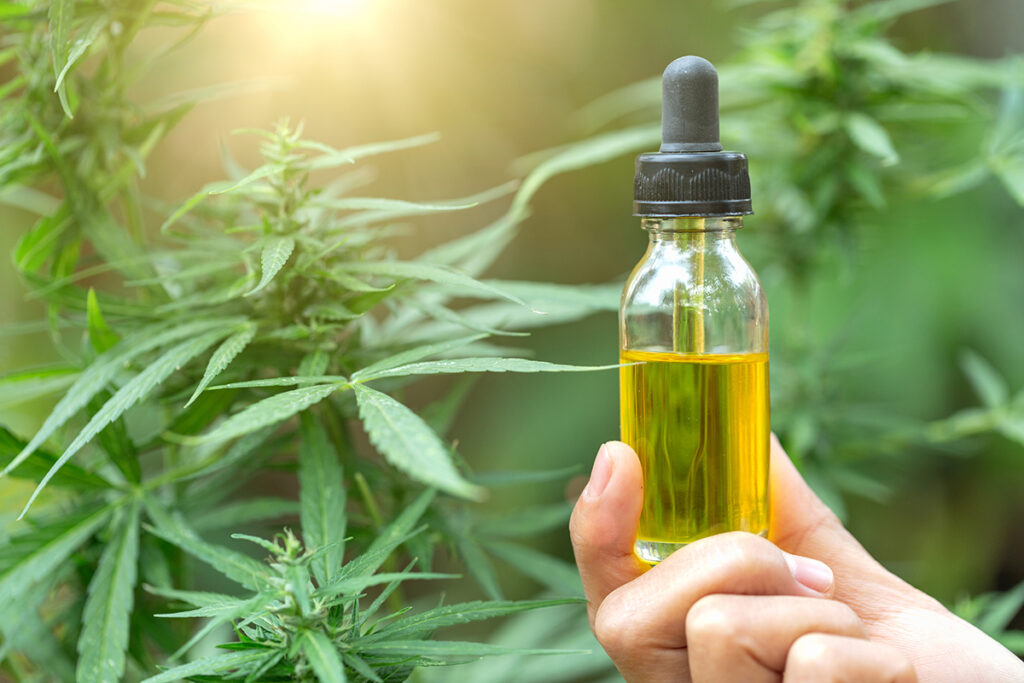
Nanoemulsions for Better Absorption
One of the most common applications of nanotechnology in CBD oil is nanoemulsification. This process breaks down CBD oil into tiny droplets and suspends them in water. Since the human body is mostly water, this makes CBD more compatible with our system.
Improved Stability and Shelf Life
Nanotechnology not only enhances absorption but also improves the stability of CBD oil. Traditional CBD products can degrade when exposed to light, heat, or oxygen. Nano-CBD is less prone to breakdown, which extends shelf life and ensures consistent potency.
Faster Onset of Effects
Another key advantage of nanotechnology is quicker results. Traditional CBD oil can take 30–90 minutes to work, depending on the method of consumption. Nano-CBD products may begin to show effects in as little as 10–15 minutes due to rapid absorption.
Benefits of Nano-CBD for Consumers
For many CBD users, the real value of nanotechnology lies in how it directly improves their everyday experience with the product.
Higher Efficiency at Lower Doses
With better bioavailability, consumers may require smaller amounts of nano-CBD to achieve the same effects as traditional CBD oil. This makes it more cost-effective in the long run.
Consistent Results
Because nano-CBD is absorbed more reliably, users experience more consistent results compared to traditional CBD products, which can vary in effectiveness from person to person.
Versatile Applications
Nanotechnology makes it possible to incorporate CBD into a wider range of products. From water-soluble tinctures and gummies to CBD-infused beverages and skincare products, nano-CBD expands the possibilities for innovation.
Nanotechnology in CBD Skincare
Beyond oral consumption, nanotechnology is also transforming CBD skincare. Traditional CBD topicals often struggle to penetrate deep layers of the skin. With nano-CBD, particles are small enough to pass through the skin barrier, delivering benefits like reduced inflammation and hydration at a cellular level.
This advancement has made nano-CBD a popular ingredient in creams, lotions, and serums targeted at acne, eczema, and anti-aging.
Challenges and Concerns of Nano-CBD
While nanotechnology offers exciting benefits, it also comes with questions and challenges.
Lack of Long-Term Research
Nanotechnology in CBD is still relatively new. More clinical studies are needed to confirm long-term safety and effectiveness.
Higher Production Costs
Producing nano-CBD requires advanced equipment and expertise, which can make these products more expensive than traditional CBD oil.
Regulatory Uncertainty
Since CBD itself already faces regulatory hurdles, the introduction of nanotechnology adds another layer of complexity. Regulators are still working on establishing clear guidelines for nano-CBD products.
Future Potential of Nanotechnology in CBD
Despite the challenges, the future of nano-CBD looks promising. As research progresses and technology advances, costs may decrease, making nano-CBD products more accessible to the general public.
In the coming years, we may see nano-CBD being used in:
- CBD beverages with fast-acting effects
- Medical applications, such as precise drug delivery systems
- Enhanced wellness products, including supplements and skin treatments
As more companies invest in nanotechnology, consumers can expect to see innovations that improve not only the effectiveness of CBD but also its convenience and versatility.
How to Choose Quality Nano-CBD Products
With the growing popularity of nano-CBD, it’s important for consumers to make informed choices.
Look for Third-Party Testing
Reputable companies provide lab reports that confirm the quality, purity, and safety of their products.
Check Labels for Transparency
High-quality nano-CBD products should clearly state the type of CBD used (full-spectrum, broad-spectrum, or isolate) and the concentration per serving.
Research the Brand’s Technology
Not all nanotechnology is the same. Choose brands that use reliable nanoemulsification techniques and provide information about their process.
Read Also : How to Spot High-Quality CBD Oil: A Buyer’s Guide
Conclusion
Nanotechnology is changing the way we think about CBD oil. By increasing bioavailability, stability, and speed of absorption, nano-CBD offers a more efficient and consistent experience for users. While challenges like cost and regulation still exist, the potential of nanotechnology in the CBD industry is undeniable.
From oral supplements to skincare and beverages, nanotechnology is paving the way for the next generation of CBD products. For consumers seeking greater efficiency and faster results, nano-CBD may very well be the future of cannabis wellness.