

In a fast-paced world where constant stress has become the norm, finding balance is more important than ever. People are turning toward natural wellness solutions that support both the body and mind. Among these, CBD oil has emerged as a popular choice for managing stress, promoting calmness, and improving overall emotional resilience. But how exactly does CBD oil influence our ability to handle stress, and what does science say about its effects on emotional well-being?
This guide explores the connection between CBD oil, emotional resilience, and stress response—unpacking the mechanisms, benefits, and best practices for those seeking natural calm in a hectic life.
Understanding Emotional Resilience and Stress Response
Before diving into how CBD oil works, it’s important to understand what emotional resilience means. Emotional resilience refers to the ability to adapt, recover, and remain composed during stressful or challenging situations. It doesn’t mean being emotionless—it means bouncing back faster when life throws curveballs.
Your stress response system involves hormones like cortisol and adrenaline. When you’re under pressure, your body triggers the “fight or flight” mode. While short-term stress can boost performance, chronic stress leads to fatigue, irritability, anxiety, and even depression. Over time, constant stress weakens the immune system and disrupts sleep, digestion, and focus.
Here’s where CBD oil enters the picture—with potential to restore balance and help you manage stress more effectively.
What Is CBD Oil and How Does It Work?
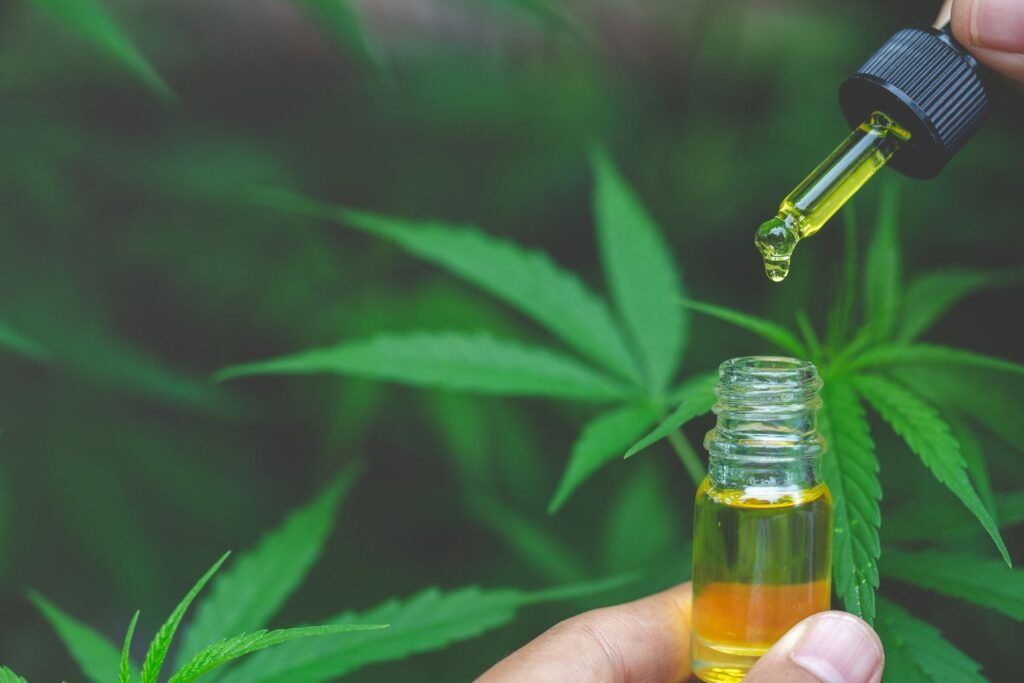
CBD, short for cannabidiol, is a natural compound found in hemp plants. Unlike THC, it doesn’t cause a “high” or impair cognitive function. Instead, it works by interacting with your body’s endocannabinoid system (ECS)—a complex network that regulates mood, stress, sleep, and inflammation.
The ECS helps maintain homeostasis, or balance, throughout the body. When stress overwhelms the system, the ECS struggles to keep things stable. CBD oil supports this system by enhancing the activity of endocannabinoids, the body’s natural messengers that keep stress hormones and emotional responses in check.
Regular use of CBD oil may help the body respond more calmly to external stressors, improving overall emotional regulation and mental clarity.
The Science Behind CBD Oil and Stress Regulation
Emerging research suggests that CBD oil influences the brain’s serotonin receptors—particularly the 5-HT1A receptor, which is linked to mood stabilization and anxiety reduction.
Studies indicate that CBD may:
- Reduce cortisol levels: Chronic stress elevates cortisol, leading to fatigue and emotional burnout. CBD appears to help lower cortisol, promoting a more balanced stress response.
- Enhance neuroplasticity: CBD supports brain flexibility, which is crucial for emotional resilience and coping with challenges.
- Calm the nervous system: By interacting with ECS receptors, CBD may help relax the body and mind without sedative effects.
While more human studies are still underway, early evidence points to CBD oil as a promising aid in managing both physical and psychological symptoms of stress.
How CBD Oil Supports Emotional Resilience
Emotional resilience isn’t just about staying calm—it’s about the brain’s ability to recover and adapt. CBD oil can play several roles in strengthening that capacity:
1. Promoting Calm and Focus
Chronic stress often leads to racing thoughts and mental fog. CBD’s interaction with serotonin and GABA receptors helps quiet the mind, allowing for clearer thinking and better decision-making under pressure.
2. Supporting Sleep Quality
Poor sleep is one of the biggest barriers to emotional balance. CBD oil is known to support better rest by reducing anxiety before bedtime and promoting a more consistent sleep-wake cycle. Quality sleep helps the brain recover, improving emotional control and daily energy.
3. Reducing Inflammation Linked to Mood Disorders
Inflammation isn’t just a physical issue—it’s also tied to depression and anxiety. CBD’s anti-inflammatory properties may help reduce inflammation in the brain and body, creating a healthier environment for mood stability.
4. Regulating Hormones and Stress Response
By influencing the hypothalamic-pituitary-adrenal (HPA) axis, CBD may help normalize the body’s stress response and reduce overproduction of cortisol, making it easier to manage daily stress without feeling overwhelmed.
CBD Oil vs. Traditional Stress-Relief Methods
Many people turn to meditation, yoga, or supplements to manage stress. These methods are effective but often take time to show results. CBD oil, when used alongside mindfulness or relaxation techniques, may enhance their effects by helping the body and mind relax more easily.
Unlike prescription anti-anxiety medications, CBD is non-addictive and has a low risk of side effects. This makes it a preferred option for individuals seeking a natural approach to emotional well-being.
How to Use CBD Oil for Emotional Balance
When incorporating CBD oil into your wellness routine, the key is consistency and proper dosing. Here are some best practices:
Start Low and Go Slow
Begin with a low dose (around 10–20 mg per day) and observe how your body responds. Gradually increase the dosage until you find the balance that works for you.
Choose Quality Products
Select broad-spectrum or full-spectrum CBD oil from trusted sources. These contain additional cannabinoids and terpenes that work together to enhance effects—a phenomenon known as the entourage effect.
Timing Matters
Take CBD oil when you feel most stressed, or incorporate it into your morning or bedtime routine for long-term support. For emotional resilience, consistency is more important than instant results.
Combine with Mindfulness Practices
Pair CBD with deep breathing, journaling, or meditation. This creates a holistic approach to managing emotional ups and downs.
Possible Side Effects and Safety Considerations
CBD oil is generally well tolerated, but mild side effects such as dry mouth, fatigue, or appetite changes may occur in some individuals. It’s essential to talk to your doctor if you’re on medication, as CBD may interact with certain drugs.
To ensure safety and effectiveness, always buy from reputable brands that provide third-party lab reports verifying purity and potency.
The Future of CBD Oil for Emotional Wellness
As stress continues to be a global health issue, researchers are increasingly focusing on CBD’s role in mental and emotional well-being. Ongoing studies are exploring how CBD can be integrated into mental health care for anxiety, PTSD, and mood disorders.
The future looks promising for CBD oil as part of a broader, natural approach to managing stress and enhancing resilience—without relying solely on pharmaceuticals.
Read Also : How to Spot High-Quality CBD Oil: A Buyer’s Guide
Final Thoughts
Emotional resilience isn’t about avoiding stress; it’s about how well you recover from it. CBD oil offers a natural way to strengthen that resilience by supporting your body’s balance, calming the mind, and reducing the effects of chronic stress.
While it’s not a cure-all, regular and mindful use of CBD can help you stay grounded, focused, and emotionally stable—even when life gets tough.
As research continues, one thing is clear: CBD oil holds real promise for those seeking a more balanced, calm, and resilient state of mind.