
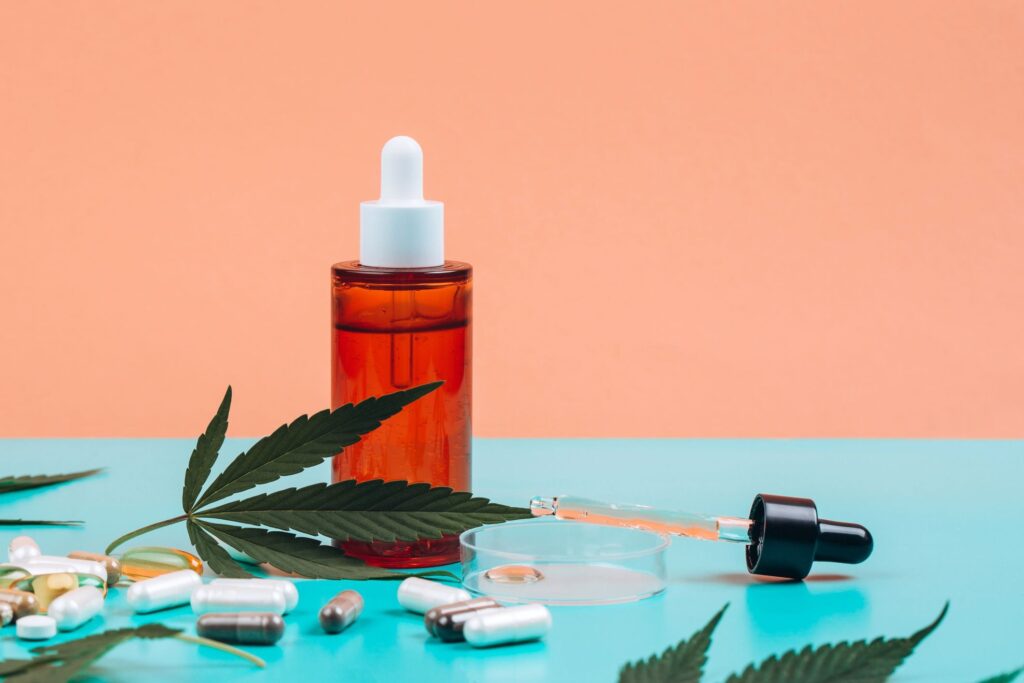
In recent years, CBD oil has taken the wellness industry by storm. From helping alleviate anxiety and stress to providing pain relief, the benefits of CBD oil are widely recognized. However, with the growing demand for CBD products, it’s becoming increasingly important for consumers to differentiate between high-quality and low-quality CBD oils. With so many options on the market, finding the right product can be overwhelming. In this guide, we’ll walk you through how to spot high-quality CBD oil, ensuring you make a safe and informed purchase.
Understanding CBD Oil
Before diving into the details of identifying quality CBD oil, it’s important to understand what CBD oil is and how it works. CBD, or cannabidiol, is a natural compound found in the cannabis plant. Unlike THC, which is the psychoactive component of cannabis, CBD is non-psychoactive and offers a range of therapeutic benefits, including reducing anxiety, relieving pain, and supporting overall wellness.
CBD oil is extracted from hemp or marijuana plants and diluted with a carrier oil, such as coconut or hemp seed oil, to make it easier to consume. The quality of CBD oil depends largely on the extraction method, the source of the hemp, and how the product is processed.
Factors to Consider When Buying CBD Oil
Now that you have a basic understanding of CBD oil, it’s time to look at the key factors that influence its quality. Let’s go over the most important considerations that should guide your purchase.
1. Look for Third-Party Lab Testing
One of the most crucial aspects of high-quality CBD oil is transparency. Reputable brands always provide third-party lab results, which test the purity, potency, and safety of their products. These lab tests ensure that the CBD oil is free from contaminants such as heavy metals, pesticides, and solvents, and that it contains the advertised amount of CBD.
When purchasing CBD oil, always ask for lab results (also known as Certificates of Analysis or COA) to verify that the product meets the necessary safety and quality standards. If the manufacturer doesn’t provide lab results or makes it difficult to access them, it’s a red flag, and you should consider looking for other options.
2. Check the Source of the Hemp
The quality of the hemp plant used to make CBD oil is vital in determining the final product’s quality. Hemp plants are bioaccumulators, meaning they absorb everything from the soil they’re grown in, including toxins like heavy metals, pesticides, and other pollutants. Therefore, choosing CBD oil made from organically grown hemp is essential for ensuring you are consuming a safe, clean product.
Ideally, CBD oil should come from hemp grown in regions that comply with strict agricultural standards, such as the European Union or the United States. Organic hemp cultivation ensures that the plants are grown without the use of synthetic fertilizers or pesticides, reducing the risk of harmful chemicals contaminating the oil.
3. Opt for Full-Spectrum CBD Oil
When it comes to CBD oil, there are three main types: full-spectrum, broad-spectrum, and CBD isolate. Full-spectrum CBD oil is generally considered the best option because it contains a wide range of cannabinoids, terpenes, and other beneficial compounds found in the cannabis plant. This includes not only CBD but also trace amounts of THC (below 0.3%), CBG, CBN, and other cannabinoids, all of which work together synergistically in what’s known as the “entourage effect.”
The entourage effect refers to the enhanced therapeutic benefits that occur when cannabinoids and terpenes work together in the body. For this reason, full-spectrum CBD oil is often more effective than CBD isolate, which contains only pure CBD with no other compounds from the plant.
4. Be Cautious of CBD Oil with Unrealistic Claims
High-quality CBD oil companies are transparent and realistic about the benefits of their products. If a brand makes claims that seem too good to be true, such as promising to cure serious medical conditions or offering a “miracle” solution for every health issue, it’s best to proceed with caution. While CBD has many proven benefits, it is not a cure-all, and reputable companies will not make exaggerated claims.
Ensure the company’s marketing is aligned with the current scientific understanding of CBD, and avoid products that promise unsubstantiated health benefits.
5. Check for Proper Dosage Information
Understanding the dosage of CBD oil is crucial for its effectiveness. A high-quality CBD oil will clearly display the dosage instructions on the label, helping consumers understand how much to take for the desired effects. Different people may require different doses depending on factors like body weight, the condition being treated, and individual tolerance to CBD.

Look for products that provide detailed dosage information and make it easy to calculate how much CBD you’re getting per serving. Typically, a bottle of CBD oil will list the concentration of CBD in milligrams (mg) per milliliter (ml) of oil, making it easier to determine the appropriate amount to take.
6. Transparency in Ingredients and Extraction Methods
A trustworthy CBD oil brand will clearly list all ingredients in their product. Apart from CBD, common ingredients include carrier oils such as coconut oil, MCT oil, or hemp seed oil. The carrier oil is essential as it helps in the absorption of CBD and can also contribute to the overall health benefits of the product.
Additionally, the extraction method used to obtain CBD oil is important to ensure purity. The two most common methods are CO2 extraction and solvent extraction. CO2 extraction is considered the gold standard because it uses pressurized carbon dioxide to extract CBD without the use of harmful chemicals. Solvent extraction, while cheaper, can leave behind residual solvents, making it less desirable for high-quality CBD oil.
7. Price Should Reflect Quality
While CBD oil can be expensive, especially if it’s of high quality, price can be a good indicator of quality. Extremely cheap CBD oil may be made from low-quality hemp or may contain fewer cannabinoids. On the other hand, expensive products may be overpriced without offering additional value.
The price of CBD oil generally reflects its quality, but it’s important to compare prices among reputable brands to ensure you’re not overpaying. Look for a product that offers a good balance of price, quality, and potency.
8. Customer Reviews and Reputation
Finally, it’s important to check customer reviews and the reputation of the brand you’re considering. Real customer experiences can provide valuable insight into the effectiveness and quality of a product. Look for feedback on trusted review sites, forums, or social media to gauge whether others have had positive experiences with the brand.
A reputable company should have positive reviews that praise the product’s quality, customer service, and transparency. If there are numerous complaints or suspicious reviews, it’s best to look elsewhere.
Conclusion: Choosing the Best CBD Oil for Your Needs
Finding high-quality CBD oil requires a bit of research, but it’s worth the effort. By focusing on key factors such as third-party lab testing, hemp source, extraction methods, and dosage information, you can ensure that you are purchasing a safe and effective product. Avoid brands that make unrealistic claims or lack transparency, and be sure to read customer reviews for additional insight.
CBD oil can offer significant health benefits when chosen wisely, and by following the guidelines in this buyer’s guide, you can make an informed decision and enjoy the full benefits of this incredible natural product. Always remember to consult with a healthcare provider before starting any new supplement regimen, especially if you are pregnant, breastfeeding, or have any underlying health conditions.