
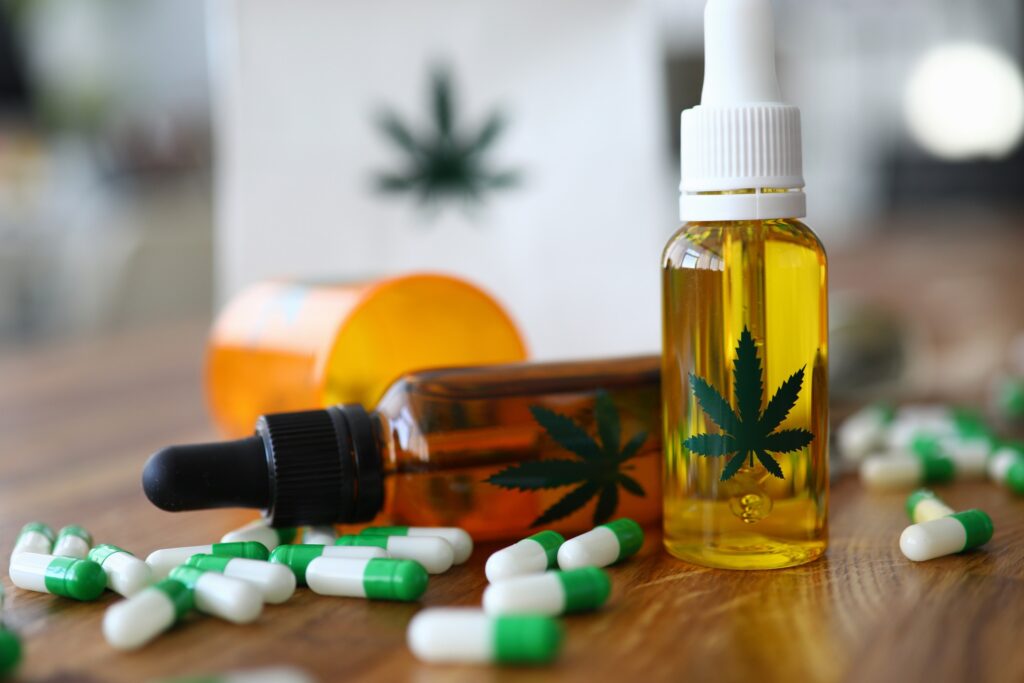
CBD oil has become increasingly popular as a natural wellness supplement, with many people using it to support relaxation, sleep, recovery, and overall well-being. While CBD is generally well-tolerated, one important question often arises: Can CBD oil interact with medications?
The short answer is yes. CBD oil may interact with certain medications, potentially affecting how they work in the body. Understanding these interactions can help you make informed decisions and use CBD products more safely.
How CBD Oil Is Processed in the Body
When you consume CBD oil, it is metabolized by enzymes in the liver. These enzymes belong to a group known as the cytochrome P450 (CYP450) enzyme system, which is responsible for breaking down many prescription and over-the-counter medications.
CBD may influence the activity of these enzymes, slowing down or altering how certain medications are processed. As a result, medication levels in the bloodstream may increase or decrease, potentially affecting their effectiveness or increasing the risk of side effects.
This is one of the primary reasons healthcare professionals recommend discussing CBD use with a doctor or pharmacist, especially if you take prescription medications.
Why Medication Interactions Matter
Medication interactions can occur when one substance changes the way another substance behaves in the body. In the case of CBD oil, interactions may lead to:
- Increased medication concentrations in the bloodstream
- Reduced effectiveness of certain medications
- Enhanced side effects
- Changes in how long a medication remains active
The severity of these interactions can vary depending on the medication, dosage, individual health factors, and the amount of CBD consumed.
Medications That May Interact with CBD Oil
While research on CBD continues to evolve, several categories of medications may be more likely to interact with CBD.
Blood Thinners
Some blood-thinning medications are metabolized through the same liver enzyme pathways affected by CBD. Changes in medication levels could increase the risk of bleeding complications.
Antidepressants and Anxiety Medications
Certain antidepressants and anti-anxiety medications may interact with CBD, potentially leading to increased drowsiness or changes in medication effectiveness.
Seizure Medications
CBD has been studied extensively in relation to seizure disorders. Because it can influence the metabolism of some anti-seizure medications, careful monitoring may be necessary.
Heart Medications
Certain medications used to manage blood pressure, heart rhythm disorders, and cardiovascular conditions may be affected by CBD’s influence on liver enzymes.
Sleep Aids and Sedatives
CBD may have calming properties, and when combined with sedatives or sleep medications, it could contribute to increased drowsiness or fatigue.
Pain Medications
Some pain medications are processed through the same metabolic pathways as CBD, creating the potential for interactions that may affect drug levels.
Signs of a Potential CBD-Medication Interaction
Not everyone who uses CBD oil with medications will experience problems. However, it is important to be aware of possible warning signs, including:
- Unusual drowsiness or fatigue
- Dizziness or lightheadedness
- Changes in appetite
- Nausea
- Increased side effects from medications
- Unexpected changes in medication effectiveness
If you notice any unusual symptoms after combining CBD with medications, contact your healthcare provider promptly.
Factors That Influence CBD Interactions
Several factors can determine whether CBD oil is likely to interact with medications.
CBD Dosage
Higher doses of CBD are generally more likely to affect liver enzyme activity and increase the risk of interactions.
Individual Metabolism
Every person metabolizes CBD and medications differently. Age, genetics, liver function, and overall health can all play a role.
Medication Type
Some medications have a narrow therapeutic range, meaning small changes in blood levels can significantly affect safety and effectiveness.
CBD Product Quality
The quality and concentration of CBD products can vary widely. Using products that provide third-party laboratory testing can help ensure accurate dosing and purity.
How to Use CBD Oil Safely With Medications
If you are considering using CBD oil while taking medications, follow these best practices:
Talk to Your Healthcare Provider
Before starting CBD, discuss your medications with a qualified healthcare professional who understands your medical history.
Start With a Low Dose
Beginning with a low CBD dose allows you to monitor how your body responds before increasing your intake.
Monitor for Side Effects
Pay attention to any changes in how you feel after adding CBD to your routine.
Choose High-Quality CBD Products
Look for reputable brands that provide third-party lab reports verifying cannabinoid content and product quality.
Keep Your Healthcare Team Informed
Inform your doctor about all supplements and wellness products you use, including CBD oil.
Is CBD Oil Safe for Everyone?
CBD oil is generally considered safe for many adults when used appropriately. However, individuals taking prescription medications, those with liver conditions, pregnant or breastfeeding individuals, and people with complex health conditions should seek professional medical guidance before using CBD products.
As scientific research continues to expand, experts are gaining a better understanding of how CBD interacts with different medications and health conditions.
Final Thoughts
So, can CBD oil interact with medications? Yes, it can. Because CBD affects liver enzymes responsible for metabolizing many drugs, it may influence how certain medications work in the body.
This does not necessarily mean CBD oil should be avoided, but it does highlight the importance of informed and responsible use. Consulting a healthcare professional, starting with a low dose, and choosing high-quality CBD products can help reduce potential risks.
If you are considering adding CBD oil to your wellness routine while taking medications, taking a cautious and informed approach is the best way to support both safety and effectiveness.
Disclaimer: This article is for informational purposes only and should not be considered medical advice. Always consult a qualified healthcare professional before using CBD oil with prescription or over-the-counter medications.